
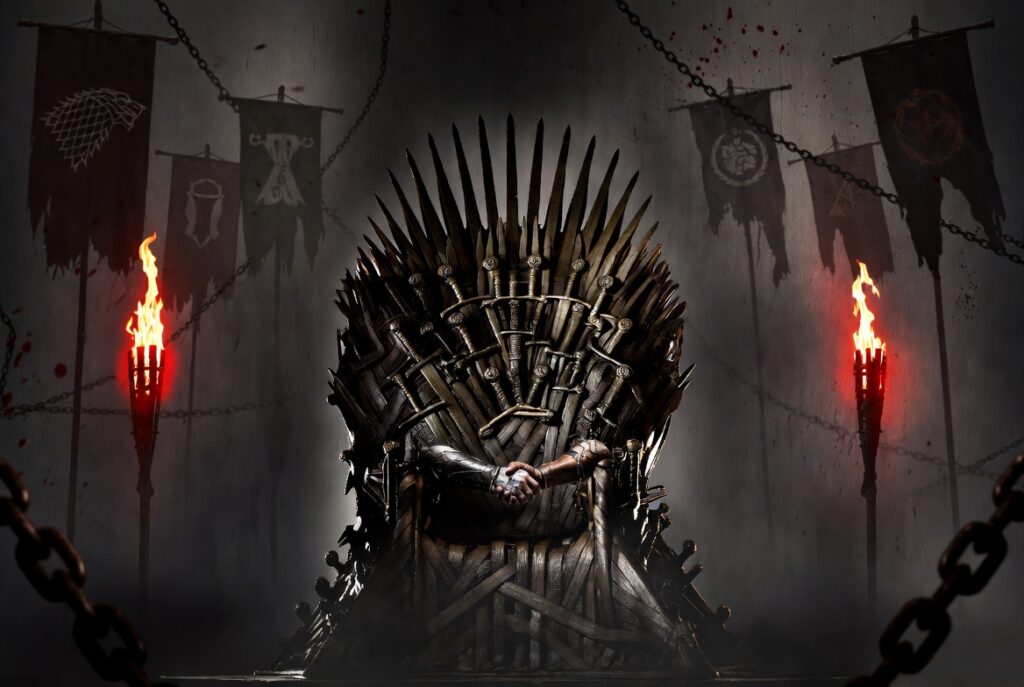
The screams still echo in the minds of fans years later. One moment, Robb Stark was celebrating a marriage that was supposed to secure a crucial alliance; the next, arrows rained down and knives flashed in the night. The Red Wedding wasn’t just a massacre — it was the brutal culmination of Political Alliances & Betrayals in GoT that defined the entire series.
From the very first season, Game of Thrones made it crystal clear: in Westeros, power isn’t won with swords alone. It’s forged through fragile alliances, sealed with marriages, and shattered by calculated betrayals. While dragons, White Walkers, and epic battles captured the world’s attention, it was the intricate web of political maneuvers that truly drove the story and kept millions glued to their screens for eight seasons.
In this ultimate guide, we dive deep into the Political Alliances & Betrayals in GoT that shaped the fate of the Seven Kingdoms. We’ll dissect the motivations behind every major pact and backstabbing, analyze their consequences across all eight seasons of the HBO series, and uncover the strategic lessons that make George R.R. Martin’s world feel so dangerously real. Whether you’re rewatching the series, preparing for House of the Dragon discussions, or simply trying to untangle why certain houses rose and others fell, this comprehensive breakdown will give you the clarity, context, and insights you need.
Spoiler Warning: This article discusses major plot points from all eight seasons of the HBO series (with occasional book context for deeper insight). Proceed with caution if you haven’t finished the show.
The Political Landscape of Westeros – Why Alliances and Betrayals Matter
Westeros is not a land of simple heroes and villains. It is a continent ruled by seven (sometimes more) Great Houses, each with centuries of blood feuds, geographic pressures, and cultural codes that dictate every decision. Understanding Political Alliances & Betrayals in GoT requires first grasping the unwritten rules that govern this world.
The Unwritten Rules of the Game of Thrones
“You win or you die.” Cersei Lannister’s words to Eddard Stark in Season 1, Episode 7 (“You Win or You Die”) are more than a threat — they are the central thesis of the entire series. Alliances in Westeros are rarely based on genuine friendship or ideology. They are transactional: marriages for territory, pacts for military support, and temporary truces to eliminate a common enemy. Betrayals, therefore, are not moral failings but logical extensions of the system. A lord who honors a promise at the expense of his house’s survival is, in Westerosi terms, a fool.
How Geography, Family, and Honor Shape Every Decision
The North’s harsh winters and vast distances make long-term alliances difficult, yet House Stark’s code of honor demands loyalty. The Reach’s fertile lands and wealth make House Tyrell natural kingmakers, but also targets. The Iron Islands’ “What is dead may never die” creed justifies reaving and betrayal as cultural imperatives. These factors turn every marriage contract and battlefield parley into a high-stakes gamble.
Key Differences Between Book and Show Politics
The HBO adaptation streamlined some plots for television pacing, but the core political DNA remains identical to George R.R. Martin’s A Song of Ice and Fire. The show occasionally softened certain betrayals (for example, the exact mechanics of the Purple Wedding) while amplifying others for visual impact. Where the books provide exhaustive internal monologues revealing layered schemes, the series lets dialogue and on-screen action speak — often making the betrayals hit harder for casual viewers.
The Great Houses and Their Core Motivations
To master Political Alliances & Betrayals in GoT, one must understand the DNA of each major player.

House Stark – Honor vs. Survival
The Starks enter the story as the moral center of the North. Their words — “Winter Is Coming” — reflect long-term thinking, yet their rigid honor code repeatedly blinds them to the ruthlessness of southern politics. Eddard Stark’s refusal to play the game in King’s Landing costs him his head; Robb’s honorable marriage choice costs him his army and his life. Only after repeated betrayals do surviving Starks (Sansa, Arya, Bran) learn to adapt.
House Lannister – Wealth, Legacy, and “A Lannister Always Pays His Debts”
Tywin Lannister’s mantra defines the house: power through gold, fear, and strategic marriages. The Lannisters rarely fight their own battles when they can buy or blackmail others. Their wealth from Casterly Rock’s mines allows them to fund alliances others cannot match — and to punish betrayals with devastating efficiency. Yet their short-term cynicism ultimately sows the seeds of their downfall.
House Targaryen – Fire and Blood Restoration
Daenerys’s arc is a masterclass in building alliances across cultures while never forgetting her family’s words: “Fire and Blood.” Her early pacts in Essos (with the Dothraki, Unsullied, and Second Sons) are pragmatic and often sealed through conquest or liberation. When she reaches Westeros, however, her idealistic vision collides with the cold reality of local power structures, leading to the series’ most controversial final betrayal.
House Baratheon, Tyrell, Martell, Greyjoy, and the Minor Players
Robert’s Rebellion created the Baratheon dynasty on the back of an alliance that later fractured. The Tyrells play the long game through hospitality and agricultural leverage. Dorne’s Martells nurse a generational grudge against the Lannisters. The Greyjoys embody opportunistic reaving. Minor houses like the Boltons, Freys, and Arryns often act as kingmakers or spoilers, proving that in Westeros even the smallest player can topple a throne with the right betrayal.
The Most Pivotal Alliances That Shaped the Seven Kingdoms
Political Alliances & Betrayals in GoT are most visible in the shifting partnerships that define each season.

Season 1 Alliances – The Stark-Lannister Betrothal and Robert’s Rebellion Echoes
The opening alliance between Houses Stark and Lannister — sealed by Sansa’s betrothal to Joffrey — appears to stabilize the realm after Robert’s Rebellion. In truth, it masks Cersei’s secret and sets the stage for Ned’s execution. Meanwhile, the echoes of the old rebellion (Robert, Ned, and Jon Arryn’s pact against the Targaryens) still dictate loyalties.
Marriage Alliances as Political Weapons
Westerosi politics weaponize weddings. Robb’s broken betrothal to a Frey daughter in favor of Talisa Maegyr triggers the Red Wedding. Tyrion’s forced marriage to Sansa is designed to legitimize Lannister control of the North. Joffrey and Margaery’s union aims to merge Lannister and Tyrell power. Each marriage is a contract that, when broken, demands blood payment.
Military and Tactical Alliances During the War of the Five Kings
The War of the Five Kings (Renly, Stannis, Robb, Joffrey/Balon, and later Euron) fractures old pacts. Renly’s alliance with the Tyrells offers the largest army; Stannis’s pact with the Red Priestess Melisandre trades traditional honor for fiery power. Robb’s alliance with the Riverlands (House Tully) initially strengthens his position until Walder Frey’s betrayal.
Unlikely Partnerships – Jon Snow & Daenerys, Tyrion & Varys, Theon & Yara
Some of the most fascinating alliances cross traditional lines. Jon Snow’s desperate pact with Daenerys in Season 7 unites North and Targaryen against the Night King — only for politics to fracture it again. Tyrion and Varys form a “small council in exile” based on shared intellect and a vision for the realm. Theon’s redemption arc culminates in his alliance with Yara to reclaim the Iron Islands.
The Night’s Watch and Wildling Alliance (Season 5–6 Turning Point)
Jon Snow’s decision to ally with the Free Folk at Hardhome is perhaps the most ideologically pure pact in the series. It costs him his life (temporarily) but proves essential for the Battle of the Bastards and the Great War. It also demonstrates that existential threats can temporarily override centuries of hatred.
The Final Alliances of Season 7–8 and Their Fragility
The uneasy coalition against the Night King — including Cersei’s false promise of support — collapses the moment the immediate threat ends. Daenerys’s alliances with the North and the Iron Fleet unravel under the weight of her growing paranoia and the revelation of Jon’s true parentage.
Timeline Table: Alliance Formed vs. Alliance Broken
| Alliance | Season/Episode Formed | Key Players | Reason for Formation | Season/Episode Broken | Reason for Betrayal |
|---|---|---|---|---|---|
| Stark-Lannister Betrothal | S1E1 | Ned, Robert, Cersei | Stabilize realm after Robert’s Rebellion | S1E9 | Ned discovers incest |
| Robb-Frey Pact | S2E3 | Robb, Walder Frey | Cross the Twins for war | S3E9 (Red Wedding) | Robb breaks marriage promise |
| Jon-Daenerys | S7E3 | Jon, Daenerys | Defeat Night King | S8E5 | Jon’s heritage revealed + Daenerys’s turn |
| Lannister-Tyrell | Multiple | Tywin/Olenna | Mutual benefit vs. common foes | S7E2 (Olenna poisons Joffrey indirectly) | Long-term power struggle |
Westeros’ Most Shocking and Consequential Betrayals
No discussion of Political Alliances & Betrayals in GoT is complete without examining the moments when trust was weaponized. These betrayals didn’t just kill characters — they reshaped the entire political map of Westeros.
The Red Wedding – Planning, Execution, and Immediate Aftermath

The Red Wedding (Season 3, Episode 9: “The Rains of Castamere”) remains the benchmark for television betrayal. Walder Frey, Robb Stark, and Catelyn Stark paid the ultimate price for Robb’s decision to marry Talisa instead of honoring his pledge to wed one of Frey’s daughters.
Lord Walder’s alliance with the Lannisters was sealed with a promise of Riverrun and royal marriages. Roose Bolton, already disillusioned with Robb’s leadership and tempted by Tywin’s offer of Warden of the North, became the inside man. The massacre eliminated the Stark northern army in one night, shifted power decisively to the Lannisters, and taught viewers a brutal lesson: in Westeros, breaking a marriage pact is a death sentence.
The emotional weight was amplified by the show’s direction — the slow build with the musicians playing “The Rains of Castamere,” the sudden violence, and Catelyn’s final act of slitting Walder’s wife’s throat in desperation. Its consequences echoed through the next five seasons, radicalizing Arya and forcing the surviving Starks into even darker political games.
Littlefinger’s Masterclass in Betrayal (Ned Stark, Lysa Arryn, the Vale, and Beyond)

Petyr Baelish, better known as Littlefinger, elevated betrayal to an art form. He orchestrated Ned Stark’s arrest and execution by feeding him just enough truth to act while ensuring his own survival. He murdered Lysa Arryn (pushing her through the Moon Door) after marrying her, then used the Vale’s knights to tip the scales in the Battle of the Bastards — only to betray Sansa later with his scheming.
Littlefinger’s philosophy — “Chaos isn’t a pit. Chaos is a ladder” — perfectly encapsulates how he thrived on Political Alliances & Betrayals in GoT. He created opportunities by destroying stability, then positioned himself as the solution. His eventual execution by Arya (on Sansa’s orders) in Season 7 showed that even the ultimate schemer could not outrun the consequences of too many broken alliances.
The Purple Wedding and the Fall of Joffrey
Often overshadowed by the Red Wedding, the poisoning of King Joffrey at his own wedding feast (Season 4, Episode 2) was a meticulously planned counter-betrayal. Olenna Tyrell, working with Littlefinger and Tyrion’s indirect involvement, eliminated the sadistic boy-king to protect Margaery and advance Tyrell interests. It fractured the Lannister-Tyrell alliance at its peak and triggered Tyrion’s trial and escape, setting off a chain of events that weakened House Lannister permanently.
Walder Frey’s Downfall and the “Revenge Betrayal” Cycle
The cycle came full circle when Arya Stark, wearing Walder Frey’s face, served him a pie made from his own sons and then slit his throat. This act of poetic justice closed the Red Wedding arc while demonstrating how betrayals breed endless revenge in Westerosi politics.
The Night King’s Betrayal at Hardhome and the Wall
Not all betrayals were human. The Night King’s massacre at Hardhome (Season 5, Episode 8) turned Jon Snow’s rescue mission into a disaster. By raising the dead as wights, he betrayed any hope of peaceful coexistence with the Wildlings and forced Jon into the desperate alliance with Daenerys. The later destruction of the Wall in Season 7 further proved that ancient pacts (the Night’s Watch’s neutrality) meant nothing against existential threats.
Daenerys’ Turn in the Finale – The Ultimate Political Betrayal?
The controversial finale betrayal — Daenerys burning King’s Landing despite its surrender (Season 8, Episode 5) — divided fans but fit perfectly into the theme. After forging alliances across Essos and Westeros, her Targaryen blood and fear of losing power led her to betray the very people she claimed to liberate. Jon’s subsequent choice to kill her (Season 8, Episode 6) was the final act in a long chain of broken trusts.
Lesser-Known but Critical Betrayals
- Theon Greyjoy’s sack of Winterfell (Season 2), betraying the Stark family that raised him.
- Roose Bolton’s calculated murder of Robb and switch to Lannister allegiance.
- Varys’ final attempt to betray Daenerys in favor of Jon Snow, leading to his execution.
- Euron Greyjoy’s ambush of the Dornish fleet and later betrayal of allies for personal gain.
These moments prove that Political Alliances & Betrayals in GoT operate on every level — from throne rooms to frozen battlefields.
Expert Insight: George R.R. Martin drew heavily from the Wars of the Roses, Byzantine court intrigue, and Scottish border feuds. Historical parallels (such as the Black Dinner of 1440) show that the Red Wedding wasn’t fantasy exaggeration — it was grounded in real political ruthlessness.
The Masterminds Behind the Power Plays – Character Studies

Understanding the players elevates analysis of Political Alliances & Betrayals in GoT from plot summary to strategic mastery.
Petyr Baelish (Littlefinger) – Chaos as a Ladder
Littlefinger started with nothing but intellect and ambition. He manipulated alliances between Stark and Lannister, then destroyed them for personal gain. His greatest strength — playing all sides — became his downfall when Sansa and Arya united against him.
Tywin Lannister – The Architect of Long-Term Strategy
Tywin rarely betrayed directly; he engineered situations where others did the dirty work. His marriage arrangements, funding of armies, and destruction of rival houses (like the Reynes and Tarbecks) made House Lannister dominant for years. His death at Tyrion’s hand exposed how fragile even the best-laid plans become without loyalty.
Olenna Tyrell – The Queen of Thorns’ Quiet Dominance
Olenna operated behind smiles and sharp wit. She allied with the Lannisters when beneficial, then orchestrated Joffrey’s murder when he became a liability. Her final conversation with Jaime Lannister (“Tell Cersei. I want her to know it was me.”) remains one of the show’s most satisfying moments of defiance.
Varys and the “Realm” Philosophy
The Spider’s web of informants made him the ultimate alliance broker. His shifting loyalties — from Targaryen to Robert to Daenerys to Jon — were always justified as serving “the realm.” His execution highlighted the limits of pure pragmatism in a world of dragons and personal vendettas.
Cersei Lannister – “I Choose Violence” and Short-Term Wins
Cersei’s alliances were transactional and often violent. Blowing up the Sept of Baelor eliminated the Tyrell threat and the Sparrows in one stroke. While effective short-term, her paranoia and refusal to honor pacts (especially with Daenerys and Jon) isolated her completely by the end.
Jon Snow and Daenerys – Idealism vs. Pragmatism in Politics
Jon’s honor repeatedly clashed with political reality. Daenerys blended idealism with growing ruthlessness. Their alliance represented the series’ central tension: can moral leadership survive Westerosi betrayal culture?
How Alliances and Betrayals Drove the Major Plot Arcs

The War of the Five Kings – From Alliance to Anarchy Robert’s death triggered five competing claims. Shifting alliances turned a succession crisis into total war, with the Red Wedding as its bloody climax.
The Rise and Fall of the Lannister Empire Tywin’s strategic marriages and betrayals built temporary dominance. Cersei’s more emotional decisions accelerated the fall, culminating in the destruction of their power base.
Daenerys’ Conquest Strategy: From Essos Alliances to Westerosi Betrayals Daenerys mastered alliance-building through liberation in Essos. Westeros exposed the limits of that approach, as local houses prioritized bloodlines and tradition over her vision.
The Battle for the North and the Great War’s Political Undercurrents The Battle of the Bastards was won through Littlefinger’s late alliance. The Long Night required unprecedented cooperation — yet victory immediately reopened old political wounds.
The Iron Throne Endgame – Why Every Alliance Ultimately Failed The final episodes demonstrated the thesis: no alliance survives the game once the ultimate prize is within reach. Bran’s election as king represented a new, perhaps more stable, political compromise — but at enormous cost.
Summary Table: Winners and Losers of Major Betrayals
| Betrayal Event | Primary Loser(s) | Primary Beneficiary | Long-term Impact |
|---|---|---|---|
| Red Wedding | House Stark / Tully | Lannisters / Boltons | Northern power vacuum, Arya’s revenge arc |
| Purple Wedding | Joffrey / Lannisters | Tyrells (temporarily) | Tyrion’s exile, weakened Lannister hold |
| Littlefinger’s schemes | Multiple (Ned, Lysa) | Littlefinger | His eventual execution |
| Daenerys’ sack of KL | Civilians / Allies | None (self-destruction) | End of Targaryen restoration dream |
Lessons from Westeros You Can Apply Today

7 Timeless Political Strategies (and Their Dangers)
- Never break a marriage pact without overwhelming force.
- Information is the ultimate currency (Littlefinger/Varys model).
- Short-term gains often create long-term enemies (Cersei).
- Honor has value only when backed by power (Starks).
- Alliances against common threats are temporary.
- Bloodlines and public perception matter more than merit.
- The ladder of chaos eventually collapses.
Trust, Loyalty, and the “Red Wedding Rule” in Business and Life The Red Wedding Rule — never assume loyalty when interests diverge — applies directly to modern negotiations, corporate politics, and personal relationships. Verify alliances with incentives, not just words.
Why Short-Term Betrayals Often Lead to Long-Term Collapse Cersei and Littlefinger’s arcs show that while betrayal wins battles, it rarely wins wars. Sustainable power requires some measure of trust and stability.
Frequently Asked Questions (FAQ)
What was the most important alliance in Game of Thrones? Jon Snow and Daenerys’ pact against the Night King was militarily crucial, but the original Stark-Lannister betrothal set the entire tragedy in motion.
Why did the Red Wedding happen? Robb’s broken marriage promise to House Frey, combined with Tywin Lannister’s strategic bribes and Roose Bolton’s ambition.
Was Daenerys’ betrayal of King’s Landing inevitable? The show framed it as the tragic result of her Targaryen heritage, isolation, and repeated betrayals — though many fans debate the execution.
Who was the best political player — Littlefinger, Tywin, or Olenna? Tywin for long-term empire building, Olenna for tactical precision, Littlefinger for adaptability. Tywin edges out due to sustained results.
How did politics in GoT differ from the books? The show condensed timelines and streamlined schemes, making betrayals more visually dramatic but sometimes less layered.
Will House of the Dragon feature similar alliances and betrayals? Absolutely. The Dance of the Dragons is built almost entirely on fractured family alliances and devastating betrayals.
Political Alliances & Betrayals in GoT were never background elements — they were the heartbeat of the series. From the frozen North to the Iron Throne, every major turning point resulted from calculated pacts and shattering betrayals. George R.R. Martin and the HBO team crafted a world where power is fleeting, trust is expensive, and survival demands constant vigilance.
As you rewatch the series or dive into House of the Dragon, you’ll now see the political undercurrents with new clarity. The game continues — in Westeros and, in subtler ways, in our own world.
Which alliance or betrayal shocked you the most? Which character played the game best? Share your thoughts in the comments below. For more deep dives into the Game of Thrones universe, explore our guides on the greatest battles, character arcs, and House of the Dragon predictions.

